%201.png)
Compostable vs Biodegradable vs Oxo-Degradable Bags: What's Actually Different?
Compostable bags are certified to break down completely into water, carbon dioxide, and organic matter within 180 days under industrial composting conditions, leaving no microplastics behind. Biodegradable bags will eventually break down too, but there is no fixed timeframe and no certification standard attached to the claim, so results vary a lot in practice. Oxo-degradable bags are conventional plastic bags with an additive that makes them fragment into microplastics faster. In India, only compostable bags certified under IS/ISO 17088 are legally approved for sale as compostable.
Preparing voices…
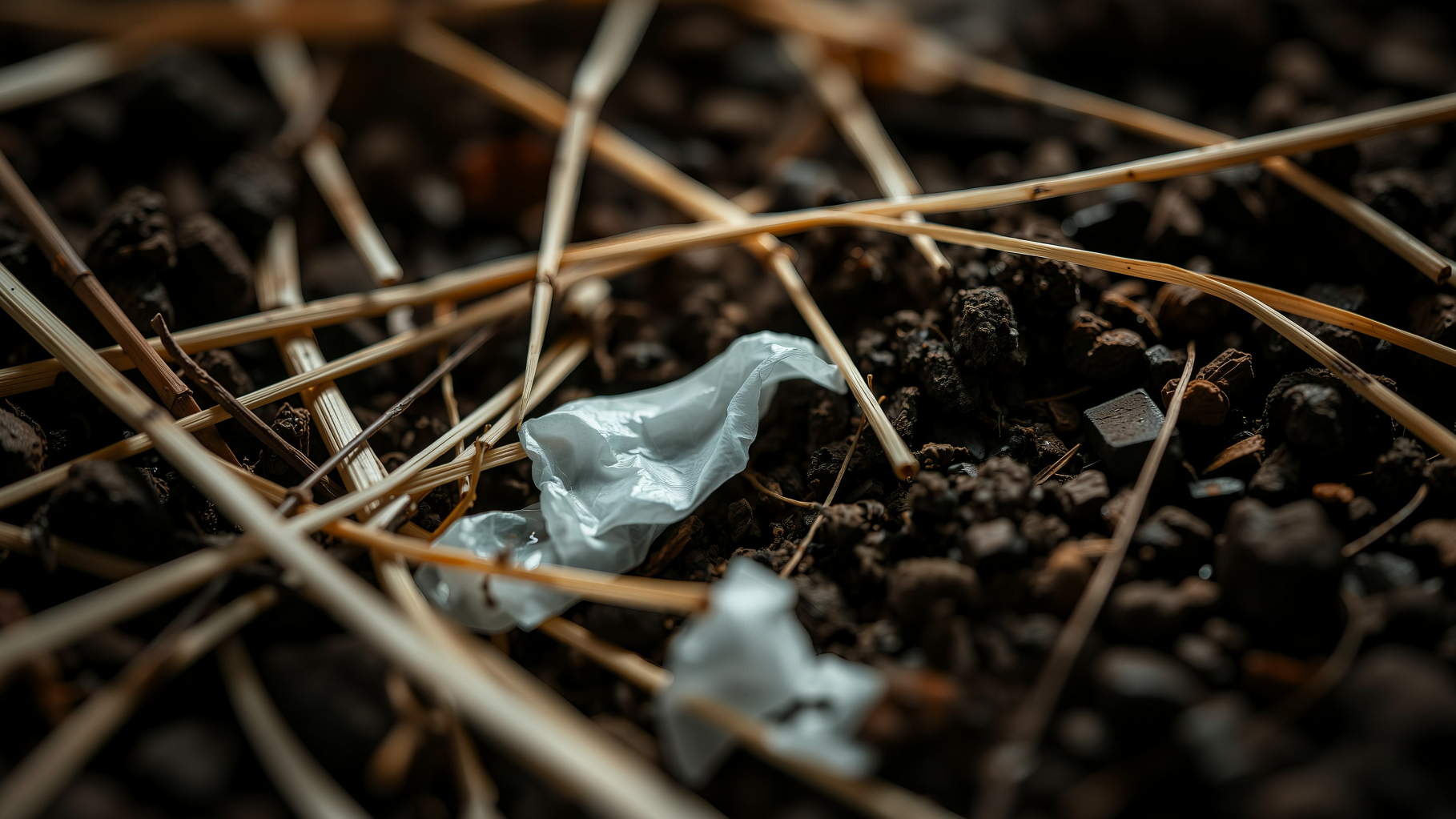
Compostable bags certified to a recognised standard are designed to break down completely into water, carbon dioxide, and organic matter within 180 days under industrial composting conditions, leaving no microplastics behind.
Biodegradable bags will eventually break down too, but there is no fixed timeframe and no certification standard attached to the claim, so results vary a lot in practice.
Oxo-degradable bags are actually conventional plastic bags with an additive that makes them fragment into microplastics faster. They are banned in the EU. In India, only compostable bags certified under IS/ISO 17088 are legally approved for sale as compostable.
What Is a Compostable Bag?
A compostable bag is made from plant based materials, like PBAT and PLA, and it has to prove itself. It gets tested against a specific standard, IS/ISO 17088 in India, and only earns the label "compostable" after passing.
That means a real timeframe, 180 days, a real end result, water, carbon dioxide, and organic matter, and a real certificate to back it up.
What Is a Biodegradable Bag?
Here is the catch with biodegradable bags India shoppers often miss. "Biodegradable" just means something will break down eventually. There is no legally required timeframe, no mandatory testing, and no certification behind the word.
Technically, almost everything is biodegradable given enough time, including some plastics. That does not make the word meaningless, but it does make it a lot less useful than "certified compostable" when you're trying to make a genuinely informed choice.
What Is an Oxo-Degradable Bag?
This is the one to watch out for. An oxo-degradable bag is not actually made from plant material at all. It is conventional plastic with a chemical additive mixed in, one that causes the plastic to fragment into smaller pieces faster than it normally would.
The problem is that fragmenting is not the same as biodegrading. Oxo-degradable plastic breaks into microplastics rather than breaking down into anything natural.
This is exactly why the European Union banned oxo-degradable plastic products under its Single-Use Plastics Directive, effective July 2021, on the grounds that it does not genuinely biodegrade and instead adds to the microplastic problem.
Side-by-Side Comparison Table
| Comparison | Certified Compostable (e.g. Gaia Flex) | Biodegradable | Oxo-Degradable |
|---|---|---|---|
| Made from | Plant based materials (PBAT, PLA) | Varies, often still plastic based | Conventional plastic plus additive |
| Certification required | Yes, IS/ISO 17088 | No | No |
| Defined timeframe | 180 days | None | None |
| End result | Water, CO2, organic matter | Varies widely | Microplastic fragments |
| Legal to sell in India as compostable | Yes | No | No |
| Status in the EU | Permitted when certified | Not separately regulated | Banned |
Which One Is Actually Better for the Environment?
This is not a close call. Certified compostable bags are the only category here with an actual test behind the claim.
Biodegradable bags might be fine, or might just be regular plastic with a friendly-sounding word on the packaging. There is no way to know without a certification to check.
Oxo-degradable bags are the clearest case of a false solution. They were designed to sound eco-friendly while doing the opposite, breaking apart into microplastics rather than genuinely disappearing.
Why Only Compostable Bags Are Legal for Sale in India
Under Indian regulation, a bag cannot legally be marketed or sold as "compostable" unless it is certified under IS/ISO 17088 and registered with the CPCB.
This is where Gaia Flex fits in directly: Gaia Flex makes certified compostable bags, not biodegradable ones, meaning every product in its range has actually passed this testing rather than simply claiming to.
FAQs
Is biodegradable the same as compostable?
No. "Compostable" requires certification and a defined timeframe. "Biodegradable" is an unregulated term with no such requirements.
Are oxo-degradable bags better than regular plastic?
No. They fragment into microplastics faster than regular plastic, which is why the EU has banned them.
Can biodegradable bags be sold legally as compostable in India?
No. Only bags certified under IS/ISO 17088 can legally be sold as compostable in India.
Shop Certified Compostable Bags by Gaia Flex
Explore bags backed by certification rather than vague environmental claims.